Friday, April 17, 2020

Life in the Hot Zone

Life changed quickly, a little over a month ago. Maybe for a while, maybe for good.

I know that all of you are practicing some version of isolation. In our household, we may be taking more extreme measures than others, because of Pope’s compromised immune system and, predictably, my perfectionism. I admit I am a little OCD about preventing contamination.

I walk every other day for exercise. The flowering trees have been delightful.
Pope visits his community garden plot. We have made two trips to a grocery store, two weeks apart. In between, I pick up milk and produce at a small, uncrowded organic market close to our house.

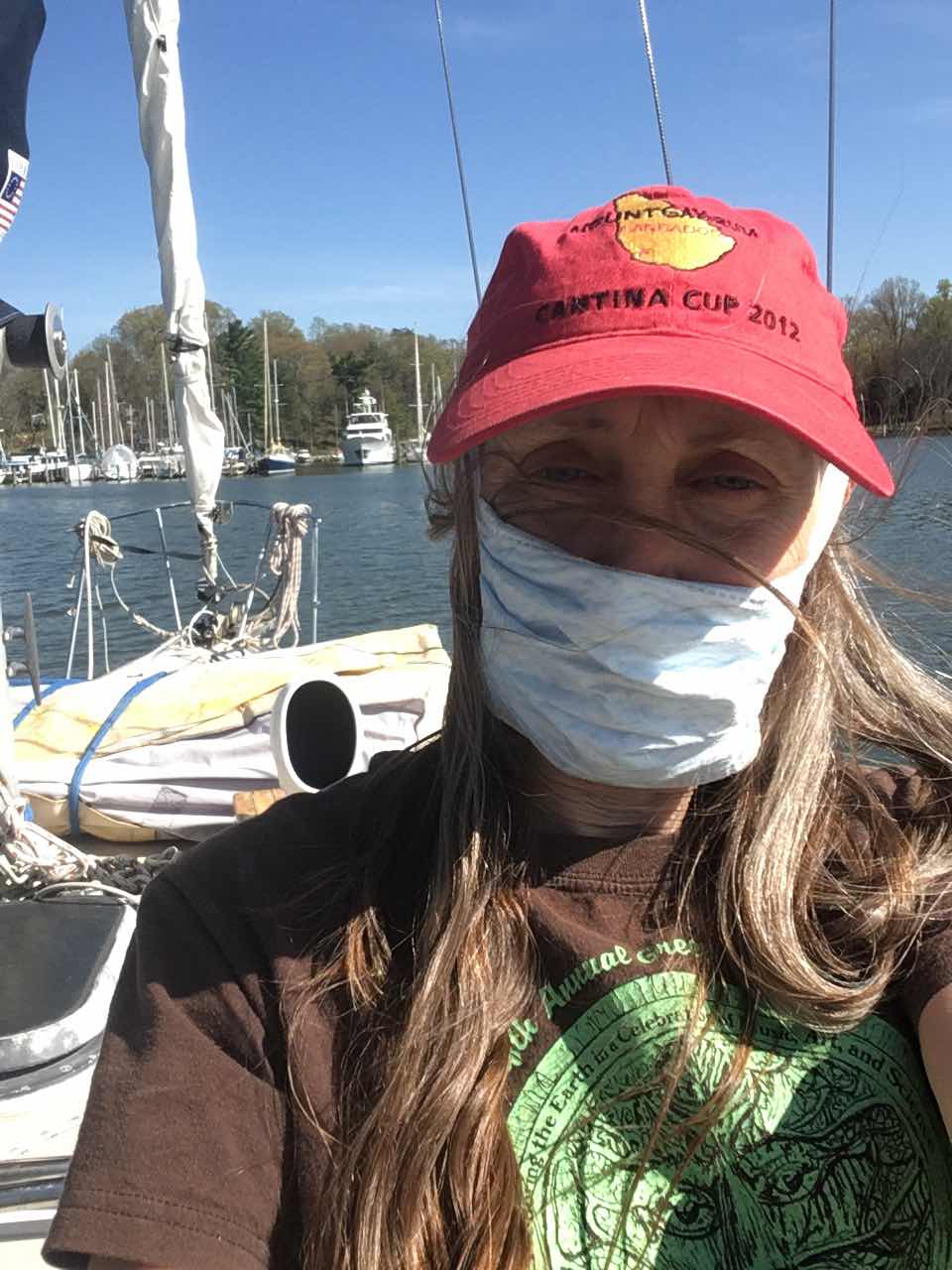
Each of those excursions invokes extreme measures. Before leaving, we don our armor. 
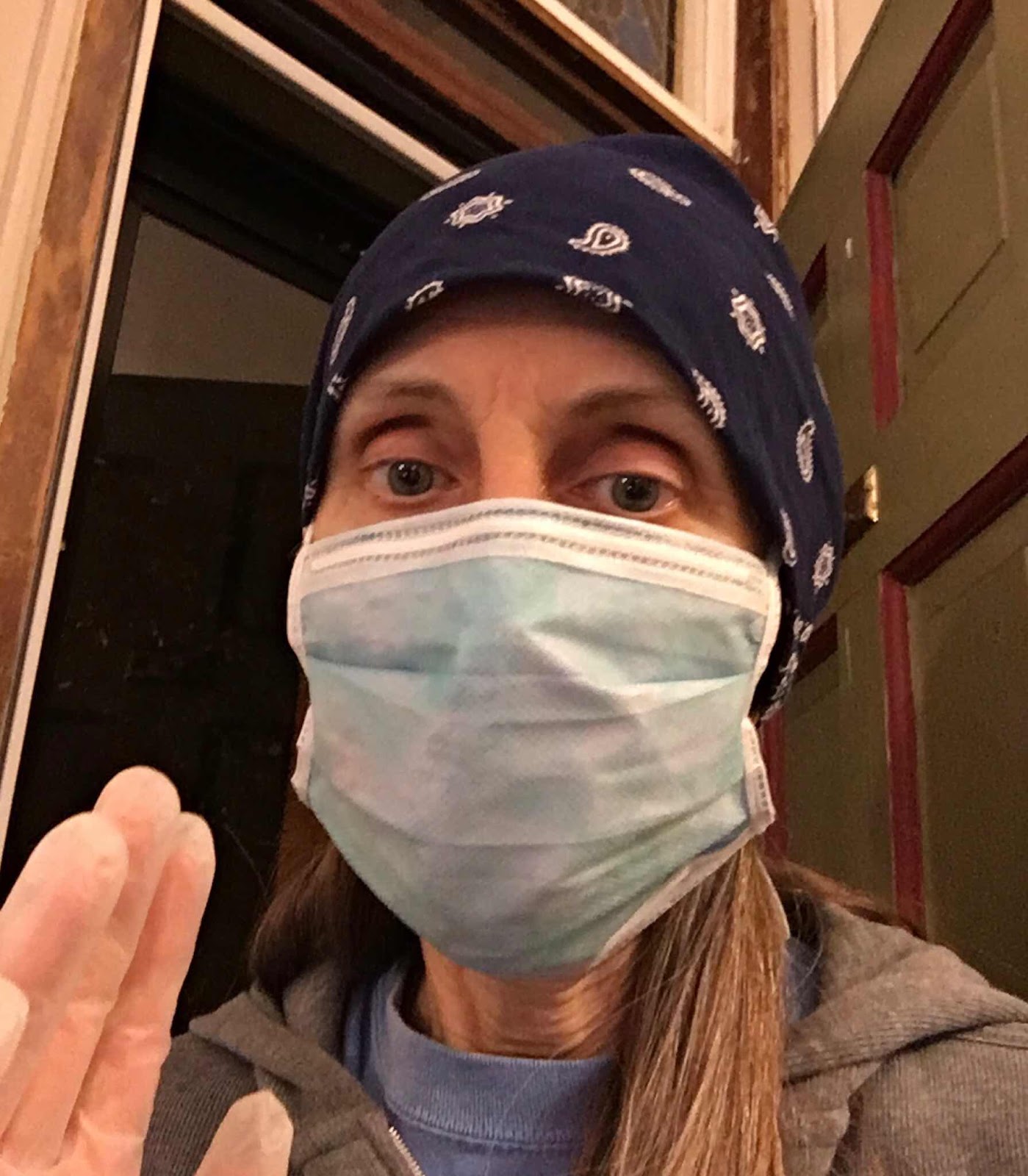
On the return – if a store was involved – we unpeel the protective gear, shower, throw clothes in the washer, disinfect shoe soles. Every item that enters the house—mail, packages, food, household supplies, face masks, latex gloves—gets cleaned with soap, disinfected with bleach, or set aside to allow any stray virus fragments to disintegrate. I can recite by heart the estimated time for the virus to break down on various materials.

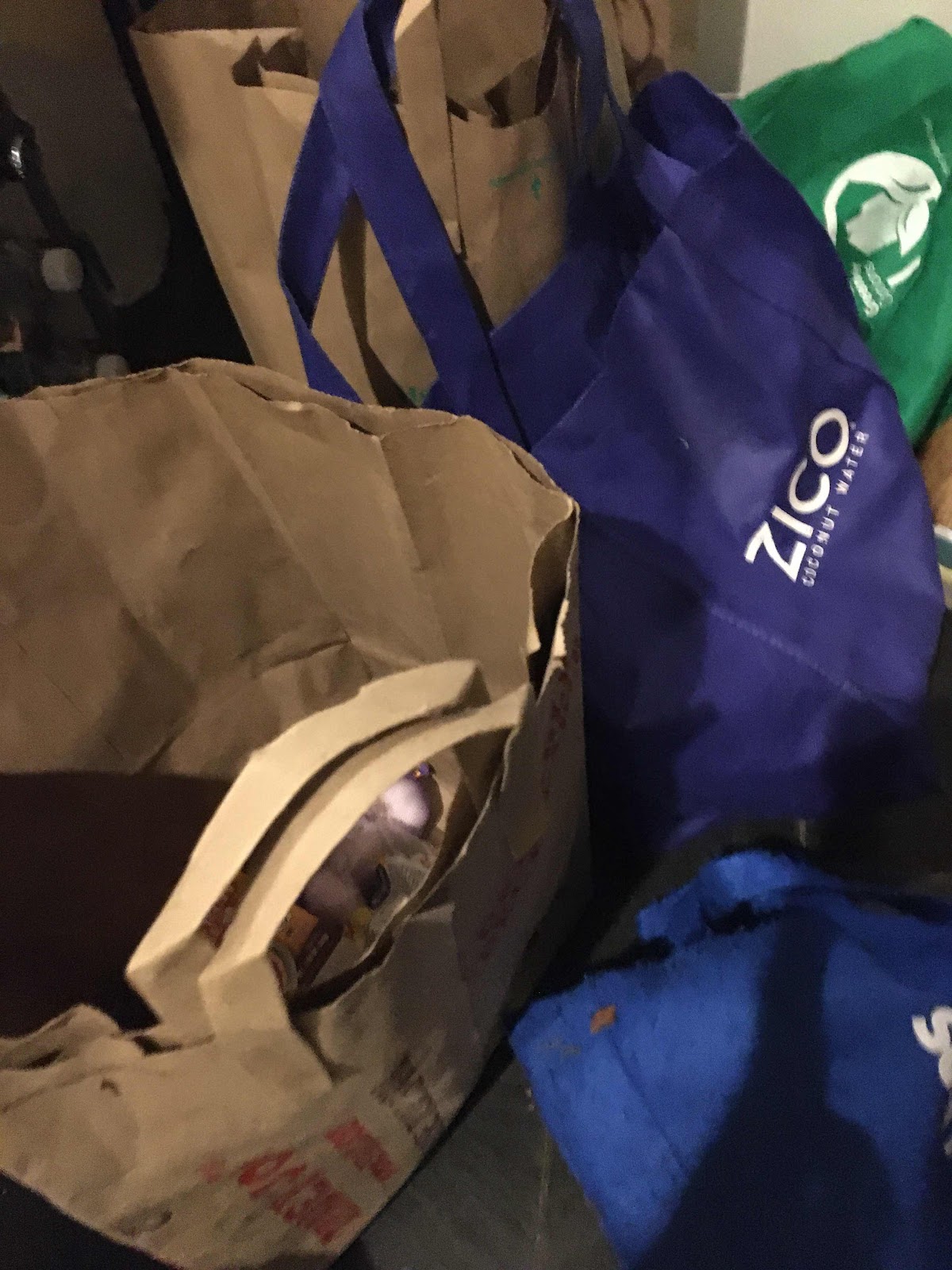
Consequence: our house is a mess. Food and packages are stacked up just inside the door, grocery bags in a corner of the kitchen. Mail is left lying on the floor, under the mail slot.
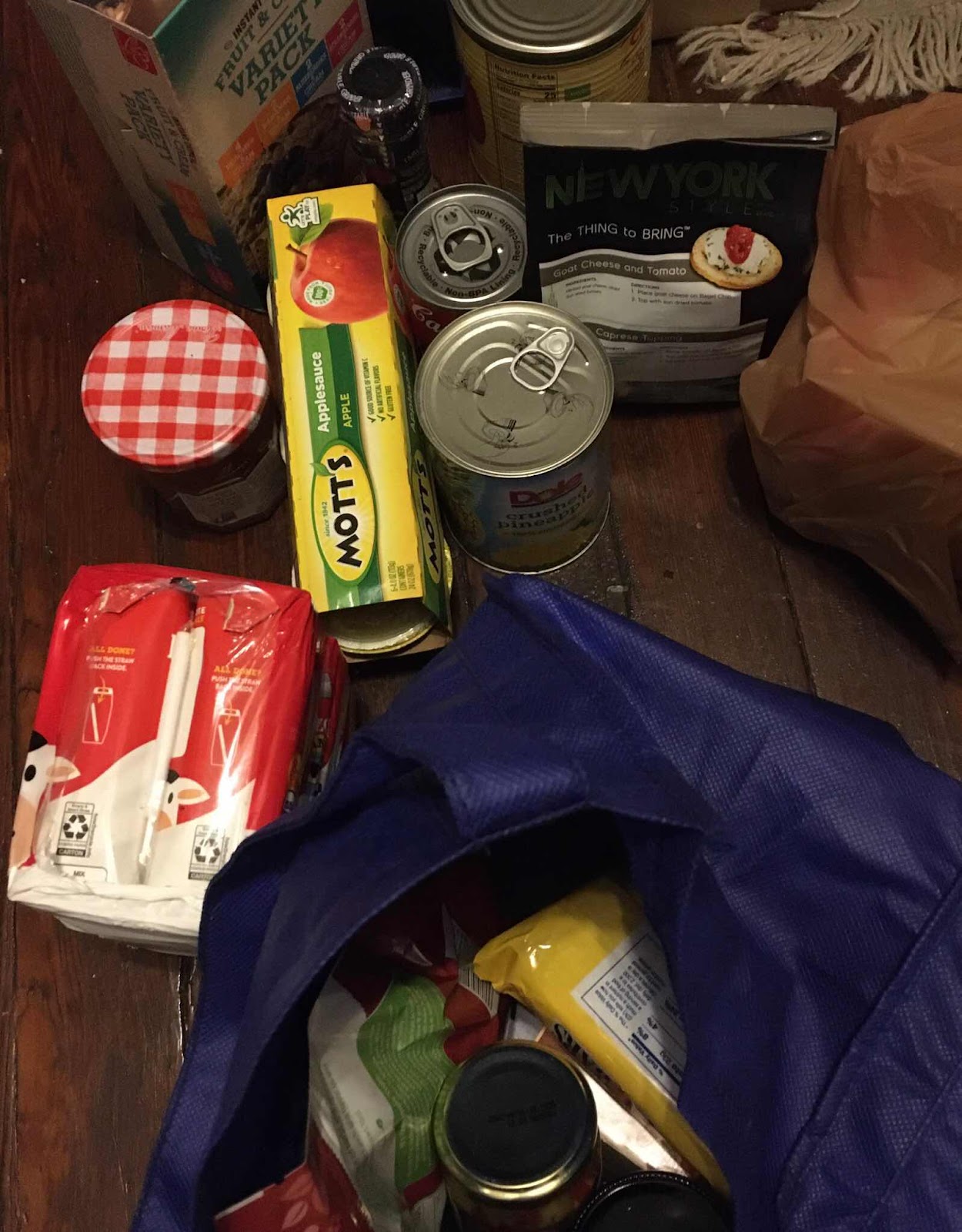

The table by the door holds the few disinfecting supplies we were able to dig up in early March; now, it would be hopeless to try to find anything.

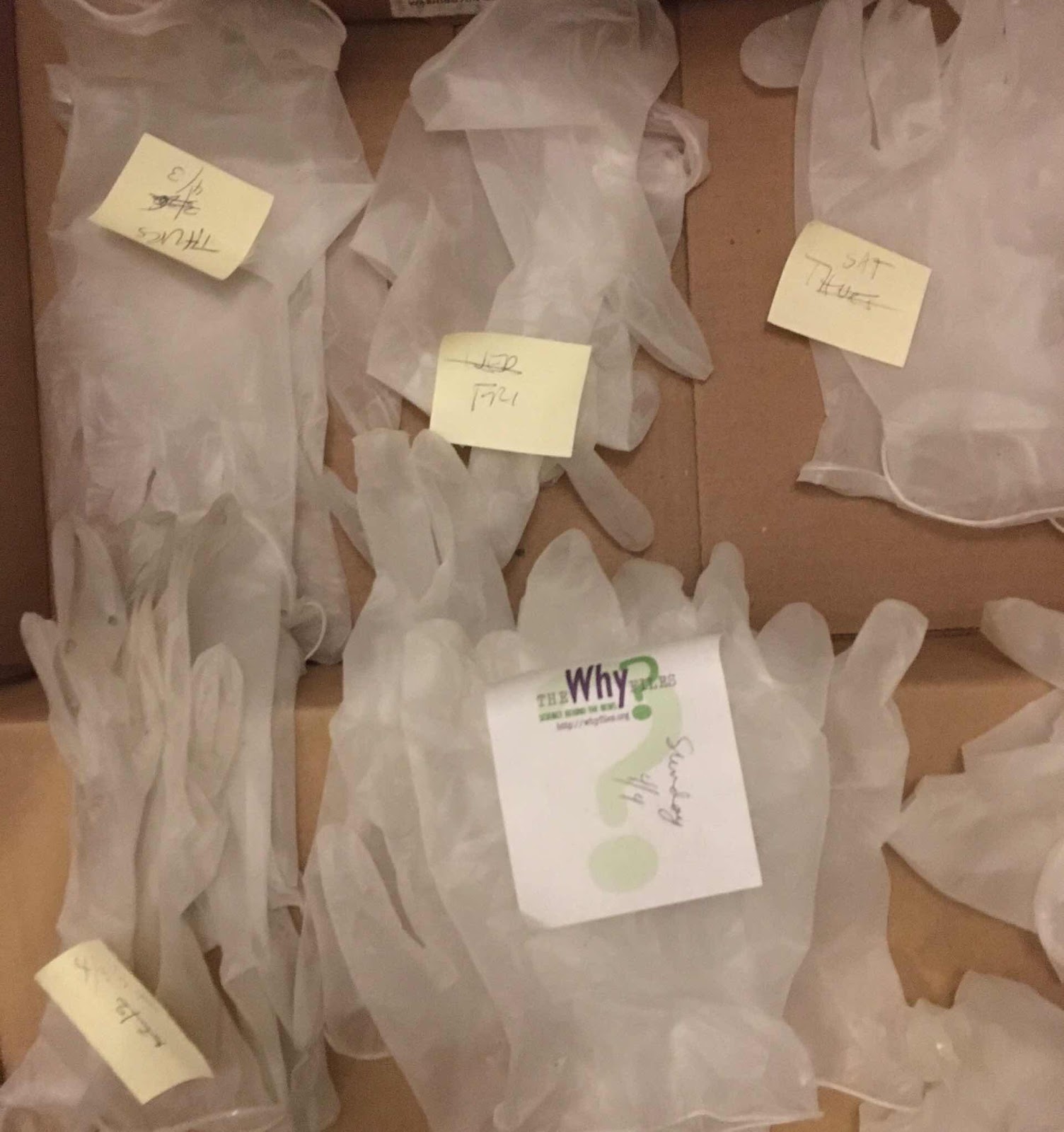
Gloves and masks are labeled by the date used and laid out to “dry”; i.e., self-decontaminate. Since we only have a few, we have to reuse them, just like the doctors and nurses in ICUs.


The bedroom floor has turned into my personal gym, with yoga mat, foam roller, weights, and a setup for viewing yoga and fitness classes on a laptop.

The living room has become Pope’s Netflix domain. Aside from an occasional excursion to the garden, he has become a couch potato. Soon, I predict, he’ll be online, ordering a bigger waist size.

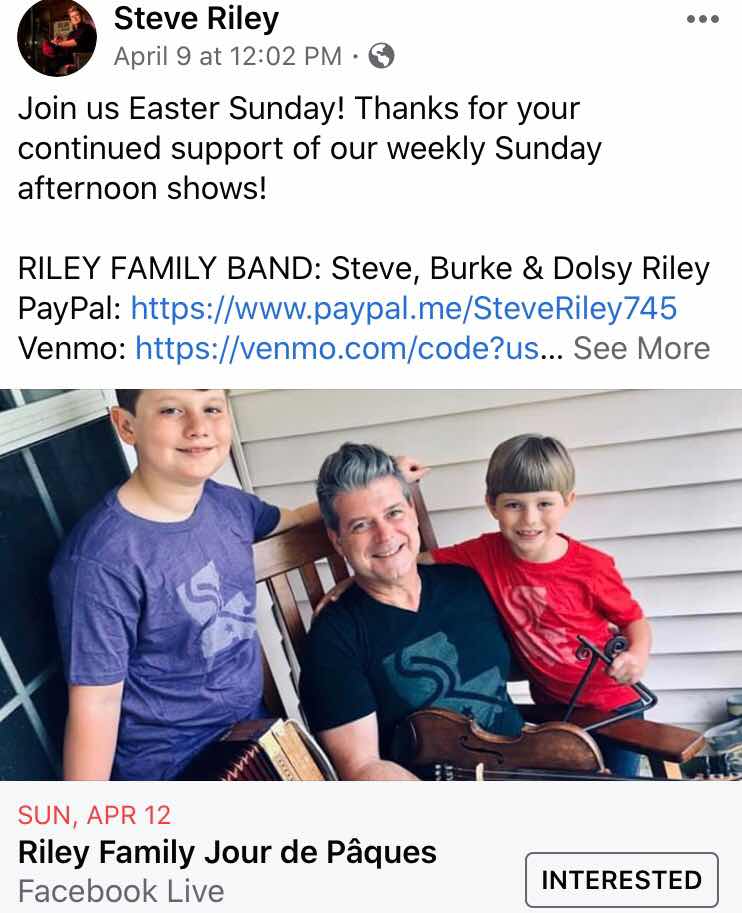
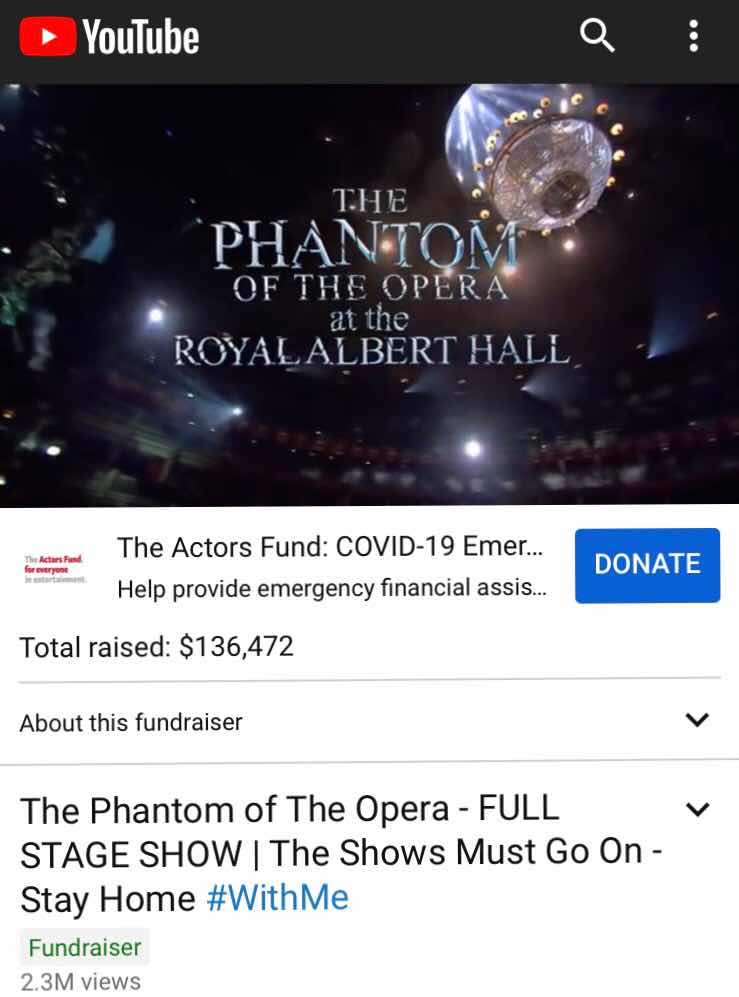
Though Pope is a little bored, I am in high spirits. I have my guitar, books, and an endless supply of online classes – yoga, exercise, dance, cooking, blues guitar. Every day, dozens of musicians are live-streaming concerts from their homes, asking only for tips via PayPal or Venmo. Theaters are posting plays, operas, and concerts. Since I am not spending money going out, I donate.
___________________________________________


__________________________________________
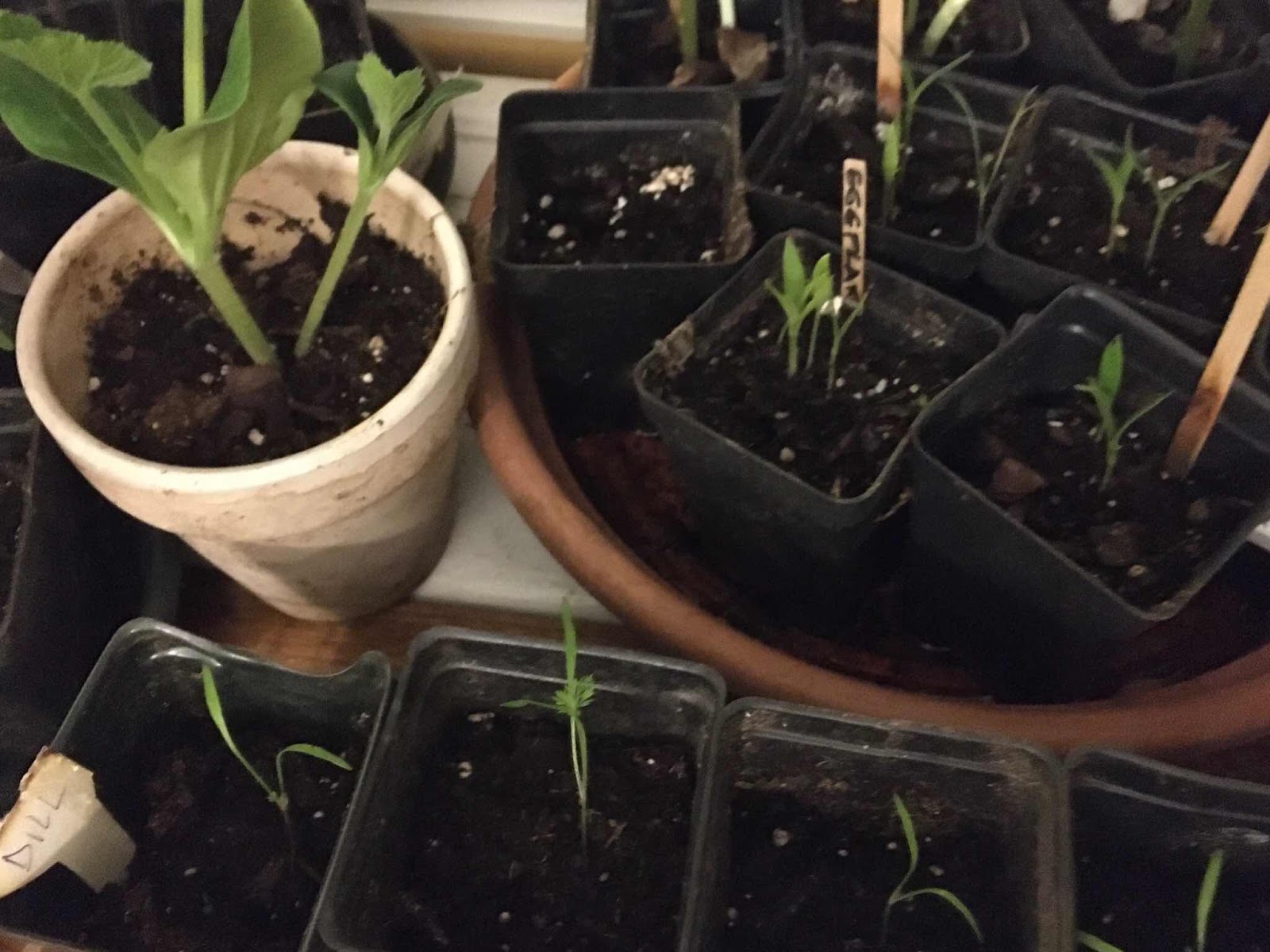
Our windowsills are covered with seedlings. Soon it will be time to move plants outdoors and start the daily weeding and watering of our garden plot. Fortunately, the city of DC declared gardening an allowed activity. Community gardens stayed open. Garden centers offer online ordering and delivery, just like restaurants.
I feel extremely fortunate to be retired and able to enjoy a lot of these activities. I have also tackled long-term projects: updating my will, writing election postcards, and cleaning closets.

I am grateful for having a live-in companion who is intelligent, cooperative, and a good cook.

I hope that all of you are taking precautions, even if they aren’t as extreme as mine. If you are working from home, I hope you remember to look out at the trees and sky, and find time and resources for amusement. Sunshine on your shoulders, a glass of wine on your porch, an exercise class or concert can help ease loneliness, battle boredom, lift spirits.

Life changed quickly and will continue to evolve. For the foreseeable future, isolation will remain a dark cloud on our horizon. I have found the silver lining.

WHO? What? When?

The news from 1600 Pennsylvania Avenue this week has undoubtedly led many to wonder: what exactly is the role of the World Health Organization (WHO)? In my view, the answer is...muddled.

Earlier this week, headlines screamed the US statements from on high (quoted below) accusing the WHO of negligence. In light of the dates offered in those statements, I reviewed my earlier research on the  timeline of what was known early on about the novel coronavirus, published in this blog on March 22. It gives some perspective on the accuracy of the accusations against WHO. 

POTUS statement on April 14: “The WHO failed to investigate credible reports from sources in Wuhan that conflicted directly with the Chinese government’s official accounts. There was credible information to suspect human-to-human transmission in December 2019, which should have spurred the WHO to investigate, and investigate immediately. Through the middle of January, it parroted and publicly endorsed the idea that there was not human-to-human transmission happening despite reports and clear evidence to the contrary. … The WHO pushed China’s misinformation about the virus, saying it was not communicable.”

My March 22 analysis of the timeline reveals that POTUS’ claim about “credible information... in December” is questionable. “Whistleblowers” within the medical community in Wuhan tried to warn their peers the last week in December and were shut up by local officials. WHO received the first report of a problem on December 31, from member-country China. 

It is true that, as late as January 12, WHO was falling in line with China’s claim that "there is no clear evidence that the virus passes easily from person to person." WHO did not add the words “not communicable.”

By January 19, after reports of travelers from China to Korea and Japan having contracted the virus, WHO had revised its wording: “it is possible that there is limited human-to-human transmission.” The very next day, WHO tweeted that such transmission was “very clear.” Interestingly, WHO's tweets during those crucial weeks were more dire than the "Disease outbreak news" items on its website.

This changing language is outlined in an April 17 Washington Post analysis of the POTUS statement. The Post offers its own timeline of events, and introduces a new player, Taiwan, which allegedly forwarded an email about the concerns of one of the Wuhan “whistleblowers” to WHO. POTUS appears to be seizing on that new information and putting his own spin on it, claiming that this email from Taiwan (a non-member country), sent to WHO on December 31—the same day WHO received an official, and less inflammatory, report from member-country China—should have prompted WHO to take a much closer look than it did.

The question indeed seems to be whether WHO “should have” gone into Wuhan and uncovered some tightly held facts about the expanding reach of the disease, either “in December”— even before the Wuhan whistleblowers got their message out?—or at least during the first two weeks of January. Is that a WHO role?

A look at the lengthy list of WHO disease outbreak news around the world is eye opening.
There’s a lot of disease in the world, and a lot of it is communicable. Clearly, WHO serves as an information clearinghouse, forwarding "reports" from member countries on a routine basis. Beyond that, it would be an extremely busy busybody if it actively investigated the details of each of the reports described in these dispatches. Does it do so routinely, and does it deploy medical detectives like those we are used to seeing on TV and in movies, who cleverly discover the facts despite official obfuscation and denial? That is not clear.

The WHO constitution states that member countries agree to both “cooperate” and take individual measures to ensure the health of their populations. 

Enforcing public health legislation falls under the latter. In public health emergencies, however, WHO is authorized to respond with: 

- Leadership
- Partner coordination
- Information and planning
- Health operations and technical expertise
- Operations support and logistics
- Finance and administration

Specific actions can include mobilizing in-country WHO staff, “establishing contact” with government officials, and deploying “surge support” if needed. The criteria for initiating such actions, and additional actions, are spelled out in this lengthy document.

Rather than try to analyze this complicated document, I would like to simply ask the experts. Surely the US liaison to the WHO could answer questions about its role and authority without a second’s thought. Would that be someone in the CDC? If so, it’s unlikely that individual will freely step forward to confirm, deny, or even offer explanatory background on the statements about WHO issued from 1600 Pennsylvania Avenue.

Thus, my timeline could be updated with some of the newer tidbits of information, but my perspective on what “should have” happened must remain, for now, muddled.

Tuesday, April 7, 2020

Coronavirus Cruising. Not.

Many lives will be modified, even ruined, by the pandemic scouring the planet. Lost jobs, lost loved ones, interrupted education, collapse of civility.


In comparison with these tragic losses, my grief is minor. Nonetheless, I have a stone in my stomach and an aching heart.


On March 31, the cruising season came to a halt when recreational boating was banned in Maryland, Virginia, and DC. 


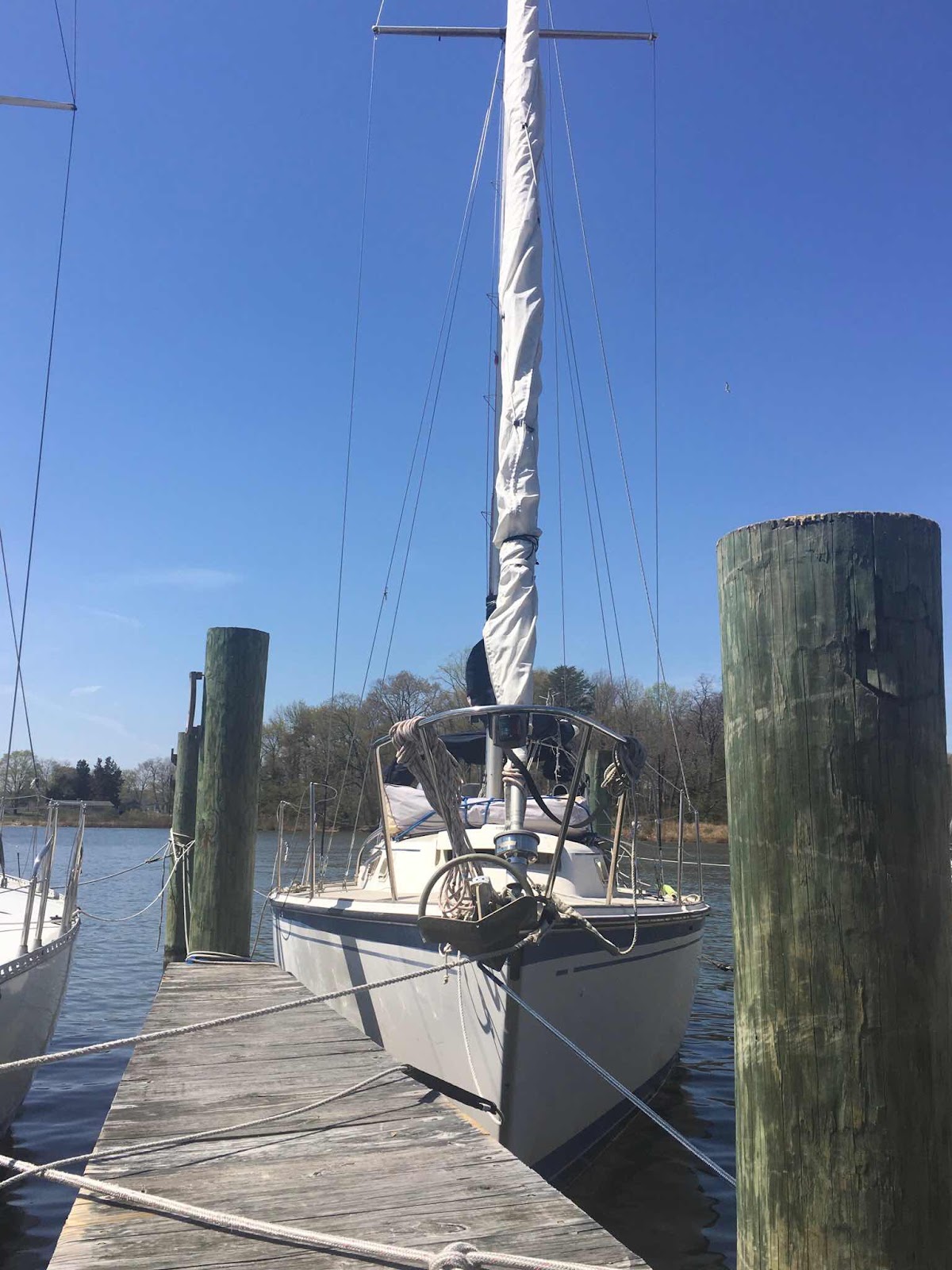
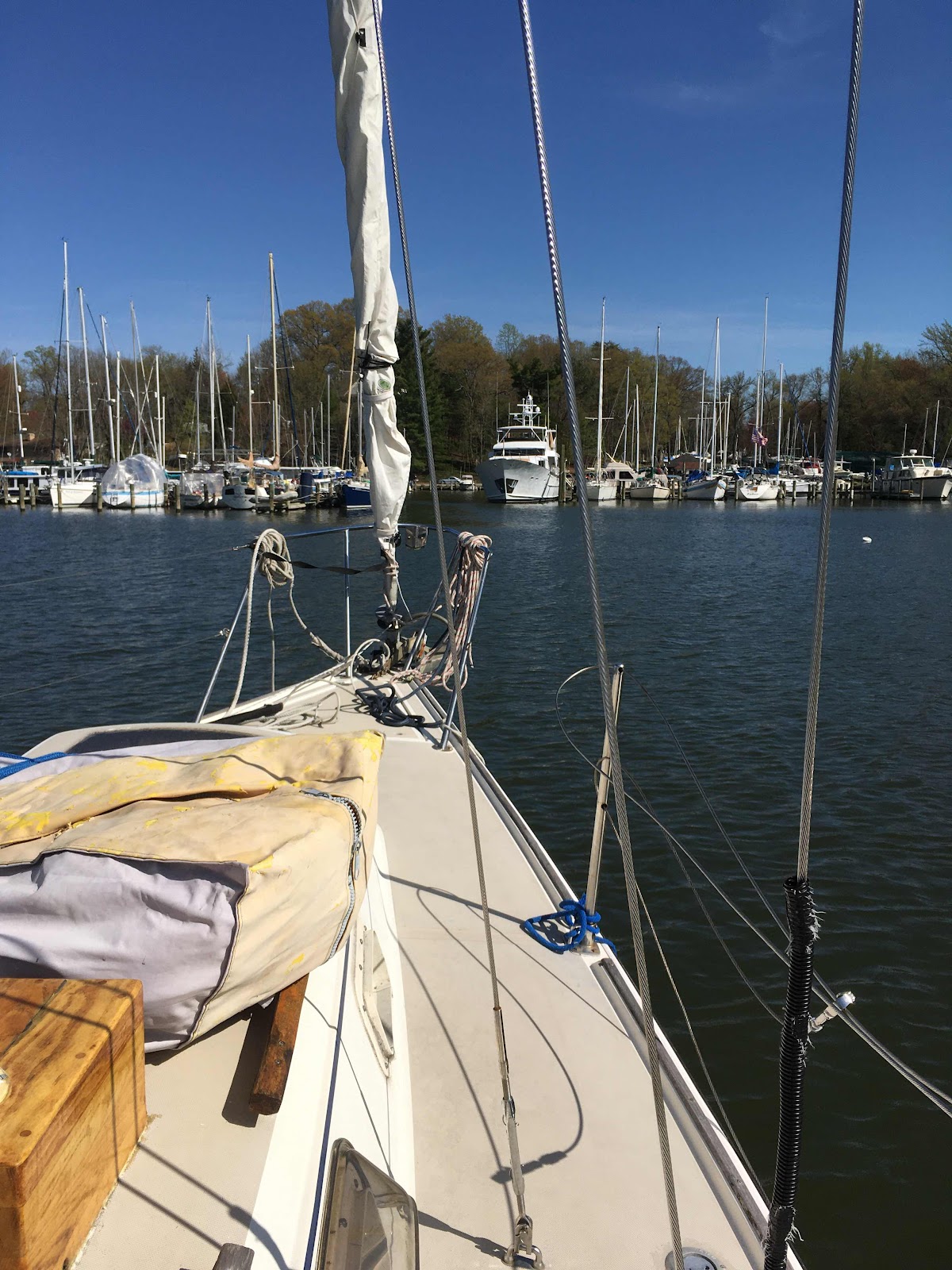
On April 6, we sold our 30-foot sailboat, Echo II, to someone who needs a cheap place to live in isolation due to the coronavirus.


My initial reaction was relief. Those of you who have followed my boating adventures via this blog know I had 
mixed feelings about Echo II.  She was 30 years old, moldy, broken down, and required loads of repairs and loving care to get her into cruising shape and keep her operating.


By 2019, she was shipshape for cruising — rebuilt engine purring, new sails and rigging, leaks sealed, upgraded plumbing and electricity systems, comfortable Sunbrella upholstery and bimini. Pope poured buckets of blood, sweat, and tears into those efforts.


Every cruising season she required days and days — and more days — of cleaning and fixing. Plus systems maintenance, loading and unloading, winterizing and de-winterizing, and haulouts for bottom cleaning every few months.


The work was interspersed with play. We cruised to the Bahamas, Charleston, Martha’s Vineyard, Long Island. And spent many weekends poking around the estuaries of Chesapeake Bay.


As Pope aged and his health deteriorated, our cruises got shorter. In 2019, we prepared Echo II for a second cruise to New England. Medical concerns, a bad starter, and a leak in the exhaust elbow disrupted that plan. Instead we enjoyed a few nights aboard, cruised to Gibson Island and St. Michaels, and didn’t leave Chesapeake Bay.

In 2020, we had just drained the antifreeze when the coronavirus struck and we got stuck at the dock.


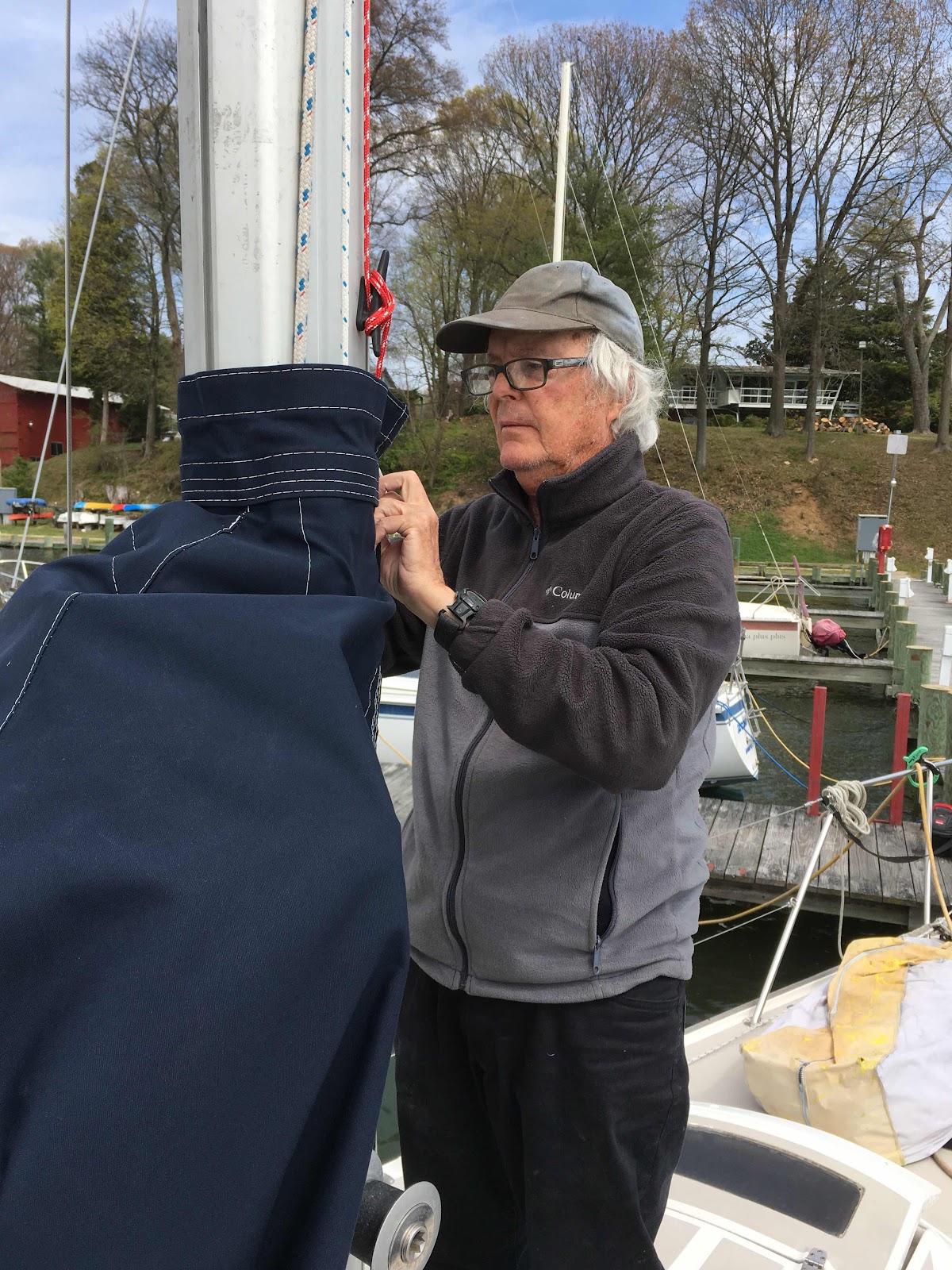
We had hauled the sails out of winter storage, along with the spare boat parts and the custom-cut linens for the sleeping berth in the bow. Echo II was in good shape.


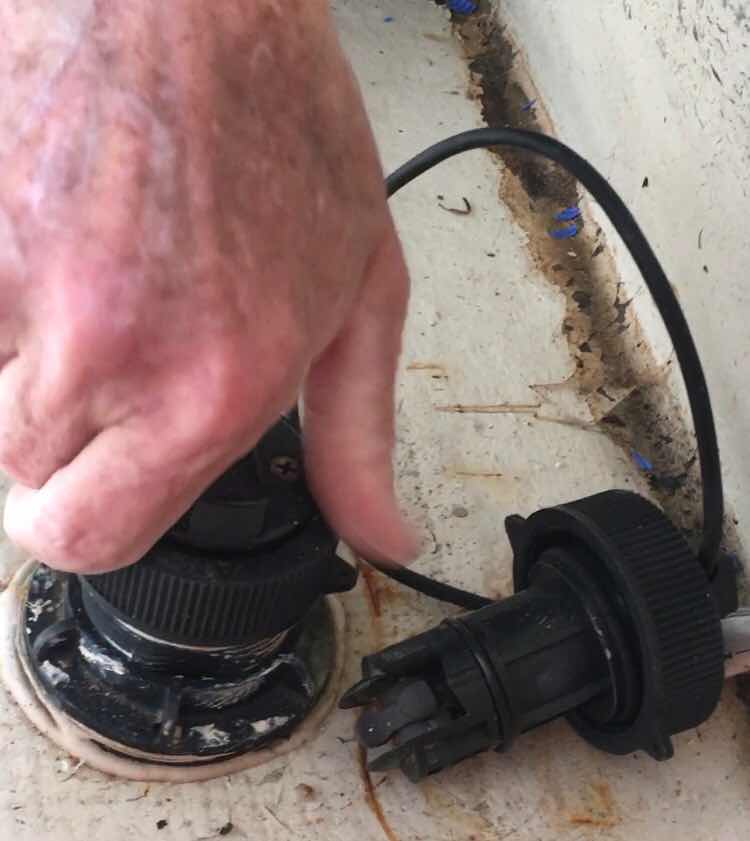
Then the pandemic arrived, and our plans for the boat changed. Pope made one last repair:  a rusty electrical connection. 


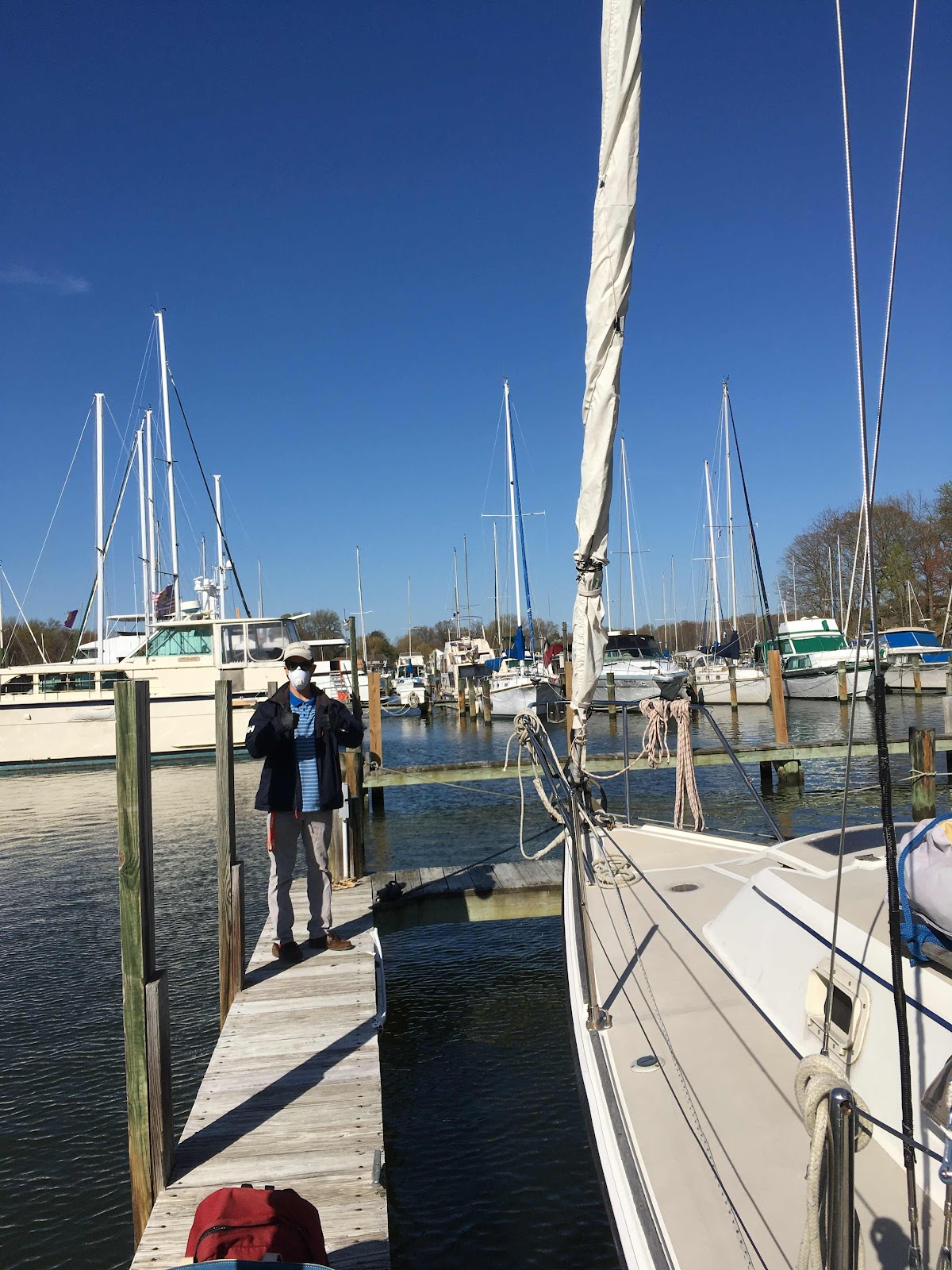
Back on the dock, with everyone in a face mask, and with a few tears falling onto mine, we traded the boat title for a wad of cash. Counted the money with gloves on.


We moved Echo II to a different marina, a short distance upriver. The new owner waited on the dock until Pope and I disembarked for the last time.


We bid farewell to our cursed and beloved boat. She is somebody else’s cruiser now.

Sunday, March 22, 2020

The Unbearable Disappearance of Masks and Gowns


(Written on March 20; some facts have changed since then)

I should have been a reporter. I wish I were one right now; I would be an activist, in-your-face inquisitor of our government officials. I've been following one of the sadder, more tragic stories coming out of US hospitals, and it breaks my heart. I have been researching the facts regarding the shortage of personal protective equipment (masks and gowns) for health-care workers, and it is one of the worst travesties I have heard about our government’s inaction, and delayed action, on the coronavirus. Not to mention on preparing for pandemics in general.

You have undoubtedly heard there is a massive shortage in the US of N95 respirator face masks that filter particles as small as 0.3 microns, and thus provide effective protection against viruses for doctors and nurses.
Photo: Reuters
The latest news is that US citizens are sewing thousands of cheap fabric substitutes to give to hospitals. Some of my friends are sewing these, for what it’s worth. Bravo for them. I expect my sister, an accomplished seamstress, will do it as well if this story reaches her ears in Detroit (where news tends to be biased in the opposite direction of news in DC).

Why are people doing this, even though the homemade masks are nowhere near effective enough to filter out a tiny virus? Because last week CDC “loosened” its official guidelines for the personal protective equipment worn by health-care workers, to encourage them to re-use their N95s AND to wear homemade fabric masks when they run out of proper N95s. CDC used the language “last resort.” The US should never have reached the point of "last resort."

Normally, N95s are used only once. It’s for our protection as patients, as well as for the protection of medical staff. Doctors and nurses are incensed at this change in CDC guidance; you can see their protests all over the internet.

One of the most tragic news stories I saw is about a hospital already setting aside its used N95s aside for 5 days hoping the virus will die, then re-using them. But we know, don’t we, that science has found the virus can live on plastic up to 9 days? Another hospital is washing and re-using both masks and gowns. Several hospitals have pleaded for supplies to be released from the US national emergency supplies in the Strategic National Stockpile. A few hospitals, especially in Florida, succeeded. Why Florida? The government says it is based on population. Just curious: is Florida more densely populated than New York and California, which are the hardest hit so far?

Previously, all of our N95s for health care came from China, and —duh— they are having a bit of a struggle right now. Nonetheless, they are ramping up their manufacturing capability of N95s, and their surplus supply is primarily going to South Korea and Italy. Note, furthermore, that several NEW Chinese companies have starting making them, and doing so quickly. The US is trying to get in on buying them from China. As per our usual — start a trade war, then arm-wrestle. (But don’t get me started on that rant.)

The US produces N95s only for industrial/construction use. This week, the US also “loosened” a law that will now allow the industrial-style masks to be used in hospitals, without liability to the companies if they fail. Thus, those companies (primarily 3M) are voluntarily ramping up production. These masks are not quite as tight-fitting, and there will still be a massive shortage.

We have a Defense Production law that could be used to ram through more US manufacturing capability quickly, as we would during a war. President Trump pledged to do this -- repeatedly, according to news reports -- then repeatedly backed out. Naturally, Democrats have pushed back on this (in)decision.

Naturally, companies are reluctant to voluntarily take on the massive and expensive retooling that would be required to make N95 masks, claiming it would take months to ramp up manufacturing capability, the demand is short-term, and there is little money in it. (Yet - remember my note above about Chinese companies?) If we were at war, I bet the necessary retooling would be accomplished in a few short weeks—because the government would make sure it was profitable.

Companies who could make more hospital gowns also are resisting ramping up production, citing the short-term, unprofitable nature of the demand. So hospitals are washing and reusing them. In Spain, dress designer companies are making gowns for hospitals. Now. In the US, there is merely debate, in Vogue magazine, whether designers could/should do the same here. Later, baby. Maybe.
 Folks, given the US government and US industry’s inaction on saving the planet and its populations from climate change, why would we expect them to ramp up to save the population from disease? Short answer: we are not at all surprised. The only thing ramped up recently was favoritism to Big Oil and Gas, and insider trading in stocks by government officials after they were briefed on the virus, but before they told the public.
I am not a reporter. And actually reporters are already ramping up to cover this story from all the angles I’ve mentioned above; the stories aresifting out, one by one. One thing I haven’t heard all day, surprisingly, is that this shortage of masks and gowns is “fake news.” Could it be that the government is actually listening? ... Nah .... Too much to ask.

Coulda, Woulda, Shoulda - It's Human Nature


China “could’ve” told us sooner! Yes, but let’s look at the bigger picture.

In light of the glaring headlines yesterday, of our president insisting that China “could’ve told us earlier” about the virus, I got angry. I got angry at the president – which often happens these days. Others undoubtedly got angry with China, from the same headlines. Then I calmed down and did some research on what actually happened, and when.

As we all know, humans are conditioned to react unthinkingly to lurid headlines and sometimes-vicious accusations thrown out in the press—hence the popularity of “yellow journalism.” That’s our animal instinct. We regret, we question, we blame. For those of us who try to exercise our brain’s capacity to become more aware, thinking humans, however, it’s a good idea to check the facts. Here are a few I uncovered.

On December 16, a patient associated with the seafood market in Wuhan was hospitalized with infected lungs. Within a few days, reportedly, a lab realized the patient had a virus similar to SARS.

On December 27, a doctor in Wuhan reported the virus to public health officials, who began investigating its extent. On December 31, China reported the virus to the World Health Organization, who published 
a report on January 5  about an unknown virus associated with a seafood market. 

Separately, on December 30, a different Wuhan doctor warned his colleagues to wear protective gear because he was observing multiple patients with an unknown virus. Even though the virus was reported to the World Health Organization the next day, in early January this doctor was reprimanded and silenced by local police. He shut up, went back to work, caught the virus, and died -- but not before his warning got out to the world. This past Friday, the Chinese government formally apologized to the family of that second doctor.

The second doctor—the whistleblower—is the one we hear about, because he suspected human-to-human transmission long before China acknowledged it. Maybe even before China figured it out, definitively. This article is a good summary of that incident.

There was a second “whistleblower” attempting to spread the news on December 30 about a SARS-like virus. We’ve barely heard about her. She, too, was reprimanded in early January.

But note the timeline: on December 31, the report of a new virus was publicly available to the world. Even in the absence of details, such as the nature of the virus or number of infected humans, the CDC in the US started preparing immediately, including developing a test. By January 15 the US had banned foreigners who had been in China, and by January 17 the CDC was screening and isolating US residents returning from China. By January 21, the CDC announced availability of its test. Unfortunately, it was a little too late: the first infected person had arrived from Wuhan, unscreened, on January 15.

I’m not excusing China for its secrecy and delays. In early January, China was actively suppressing the “rumors” leaking out that the virus was like SARS. China didn’t formally acknowledge human-to-human transmission until January 21, and Wuhan was not locked down until January 23 -- allowing millions of people to leave the city. This article is a good summary of that timeline.

On the other hand, China did give a heads up to the World Health Organization on December 31. And on January 10, China publicized the genome of the virus, allowing scientists worldwide to begin multiple lines of research – leading to tests being made available in both Germany and the US within a few days. Today, China is assisting South Korea and Italy with medical expertise and supplies.

Yes, we “could’ve been” informed earlier of the number of cases and specific details. We could have responded differently in numerous ways in our own country. There is plenty of blame and responsibility to spread around.

What I want to emphasize, however, is that some public officials -- who take their responsibilities seriously -- did so in this case. Our CDC didn’t wait. The CDC acted quickly following the initial announcements, despite numerous obstacles, including a dearth of specific information and, possibly, resistance from our own government.

Let's remember to think, reflect, and seek the bigger picture, beyond the flagrant headlines. 

And, in this case, let's acknowledge the usefulness of public health officials, and applaud the actions they took. I would even venture to say: but for them, it could’ve been worse.


Anxiety? We Don't Need No Stinkin' Anxiety!

Anxiety is abundant these days. One of my solutions is to write.

I've had plenty of time to read. Reading got me thinking. And thinking, for me, leads to analysis, which leads to research, which leads to needing to write. Many writers complain of writer's block. That's something I got over long ago, working as a speechwriter with turnaround times as little as a day, a few hours, or even an hour.

Instead, my "problem" is that, when I get something in my head that I want to say, I can't resist whipping out pencil and paper, or iPhone "Notes," and writing it down. Surely others need to know! I think. And once I get started, I can't stop. 

When I started isolating at home, I had plenty of time to read, think, and analyze hundreds of reports from dozens of media outlets throughout the country. I had flashes of anger--at my partner, for not washing his hands often enough; at not-my president, for putting political and special interests ahead of public health; and, more recently, at China, for its missteps and cover-ups.

My anxiety level has been high from the beginning. Every tickle in my throat or ache in my belly, a cough from Pope or a moan in his sleep, sends my blood pressure up as I imagine the worst. I have to keep reminding myself: I barely recovered from a long sinus infection in January, Pope had a serious bout of bronchitis for weeks, I have a history of digestive and breathing problems, and allergy season has begun. It's probably just one of those, my left brain keeps reassuring my right brain.

I read. I walk. I clean house. I play my guitar and sing, practicing songs from classes at Augusta music camp and at Archie Edwards, a local blues venue. They all help.
Playing outside in the park
When the anxiety ramps up and threatens to overwhelm me, I turn to yoga techniques, including meditation and pranayama (breathing techniques).
Photo from Yoga in Daily Life center in Alexandria, 2016
Then, a couple of days ago, I was reading about the shortage of face masks and got angry. I began to pursue the subject with great diligence, writing things down--and remembered that, my whole life, I've been writing out my anger and anxieties. From an early family life involving violence and fear, to abusive marriages, sexual harassment at work, and bouts of illness, I've kept journals, written essays, even submitted a few articles for publication.
Writing my blog during a sailing cruise
For me, writing distracts me from emotion and helps me re-center.

So in the coming days I will publish in this blog some of what I've been writing on my iPhone and on Facebook about the virus. If you are interested in a few brief summaries compiled from hundreds of news reports, stand by.

It might not be a relief from anxiety, but it may help shed some clarity on some of the mysterious and frightening matters hinted at in the most dire and glaring headlines.

Sunday, October 20, 2019

Help! It’s Hazardous!

Neither Pope nor I have led a particularly safe, secure, boring life. We stuck our necks out, traveled, ventured into the unknown.

That doesn’t mean I am courageous or fearless (though I can’t speak for Pope). Many times I’ve been scared, anxious, indecisive, lonely, homesick—or just plain sick. Often I felt like I couldn’t cope.

Do I actively seek excitement and adventure, or does it just happen? I don’t know. What I have noticed, though, is that I seem to encounter more than my share of risky situations.
In Hawaii, that island paradise where most people go to relax, others enjoyed leis and luaus while I came face to face with dangerously hot lava and steam vents. Rip tides. High surf. Giant turtles staring me down while peacefully snorkeling, minding my own business.
Even mangoes that fall on your head and cause concussion. Where were the flowers and sandy beaches? All I wanted was a leisurely drive to some waterfalls in a white convertible. Instead I found myself cringing, ducking, and watching where I put my feet.
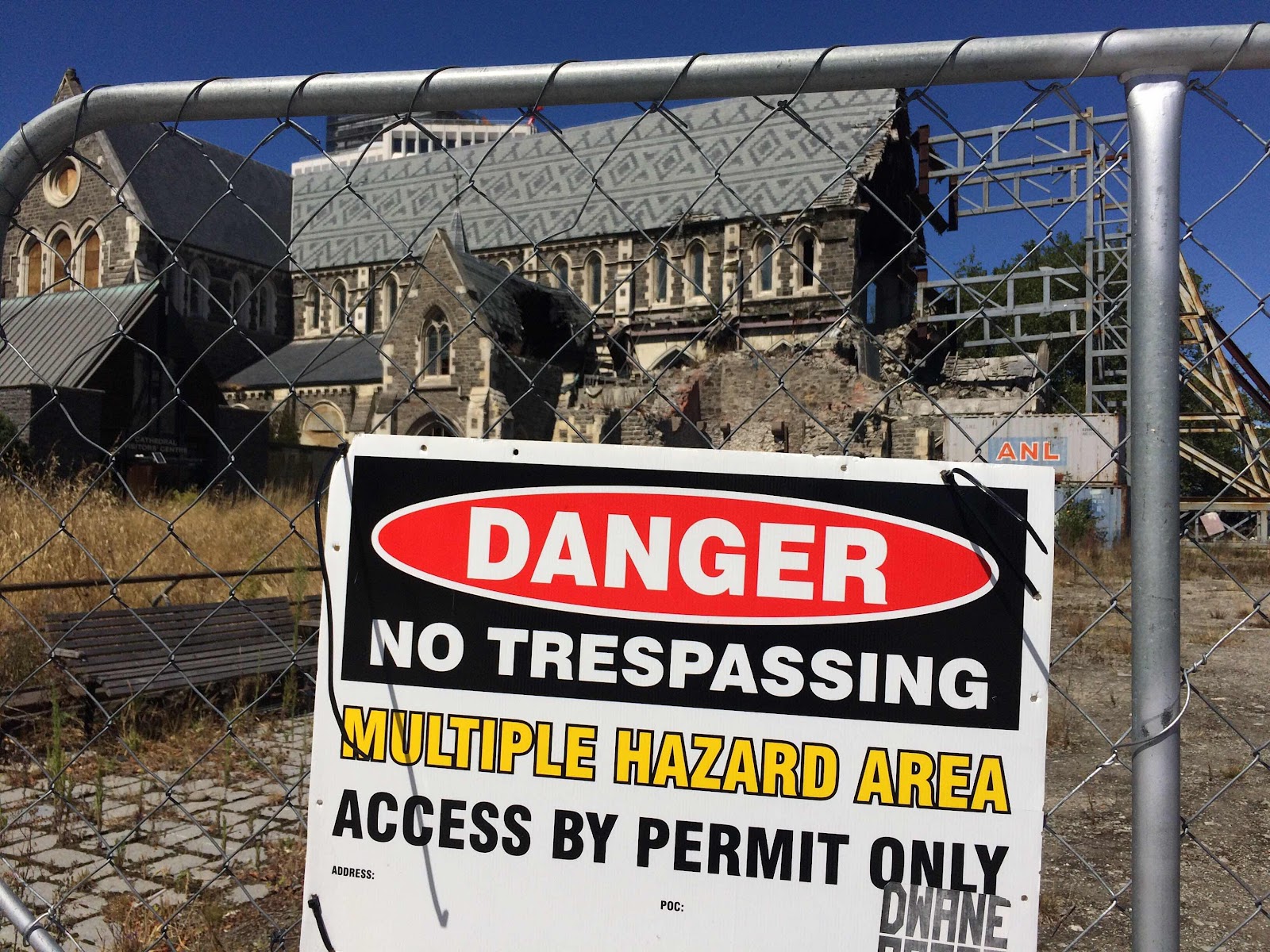
Unlike gentle Hawaii, New Zealand has a REPUTATION for being wild. Pope and I tried to play it safe. We eschewed bungee jumping, admitting we were too old to trust our life—and our hearts—to being bounced at the end of a rubber band (see photo). Even a couple of the younger folks backed out before jumping off the bridge. (They didn’t get their money back.)
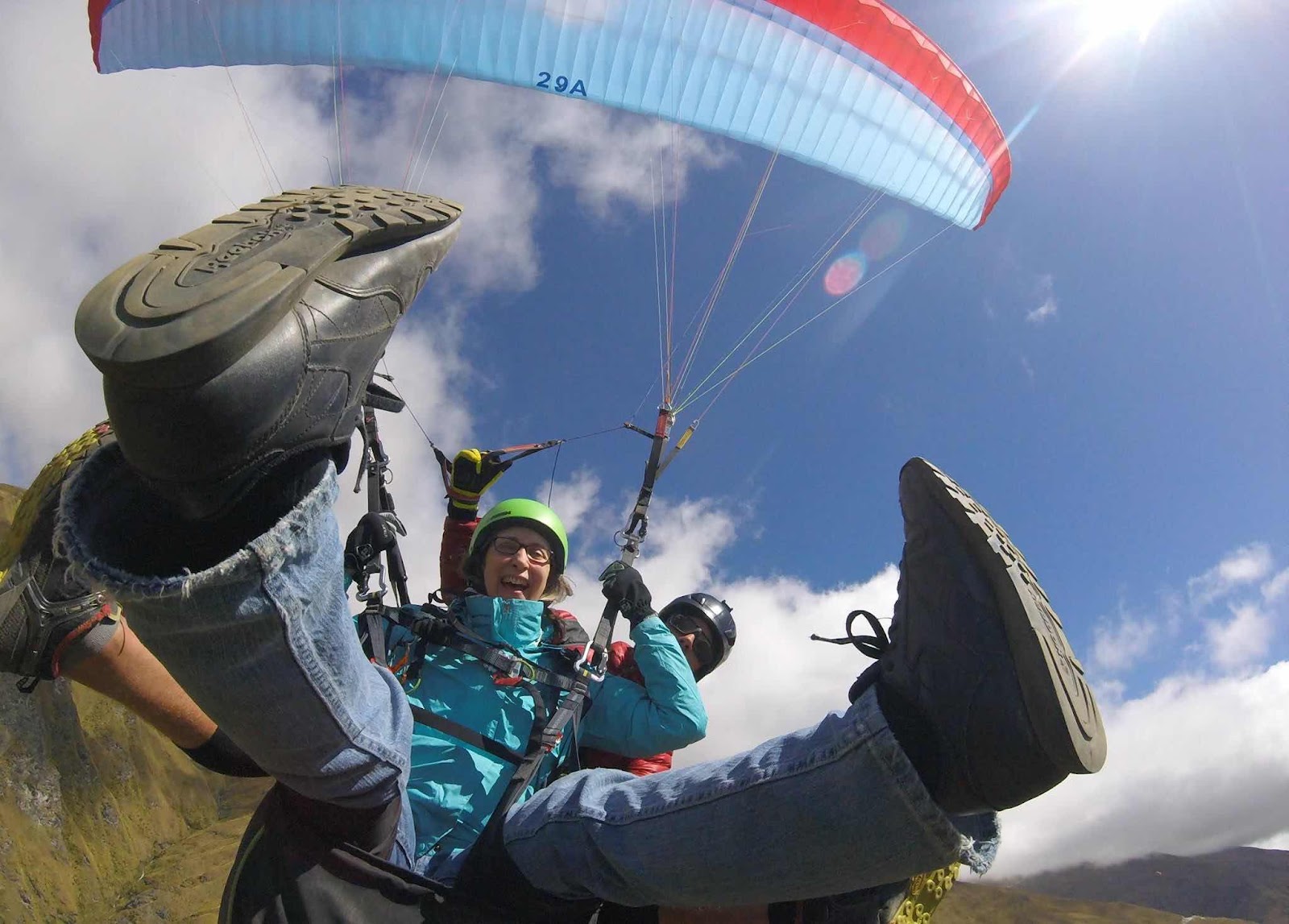
But before I could even say “Whew,” we found ourselves being pushed off a cliff with only a flimsy film of nylon and some string preventing us from crashing to the rocks below.
After that, there seemed to be endless dangers to entrap and harm us—boiling mud, fatal amoeba waiting to crawl up our noses, fast drivers on one-lane bridges. Wild boars. Horrendous bee stings that threatened to put me in the hospital. Topping all that was a near-collision with a Mack truck because I forgot to look right (driving on the “wrong” side of the road). My goodness. Do all tourists in New Zealand feel as threatened as I did?
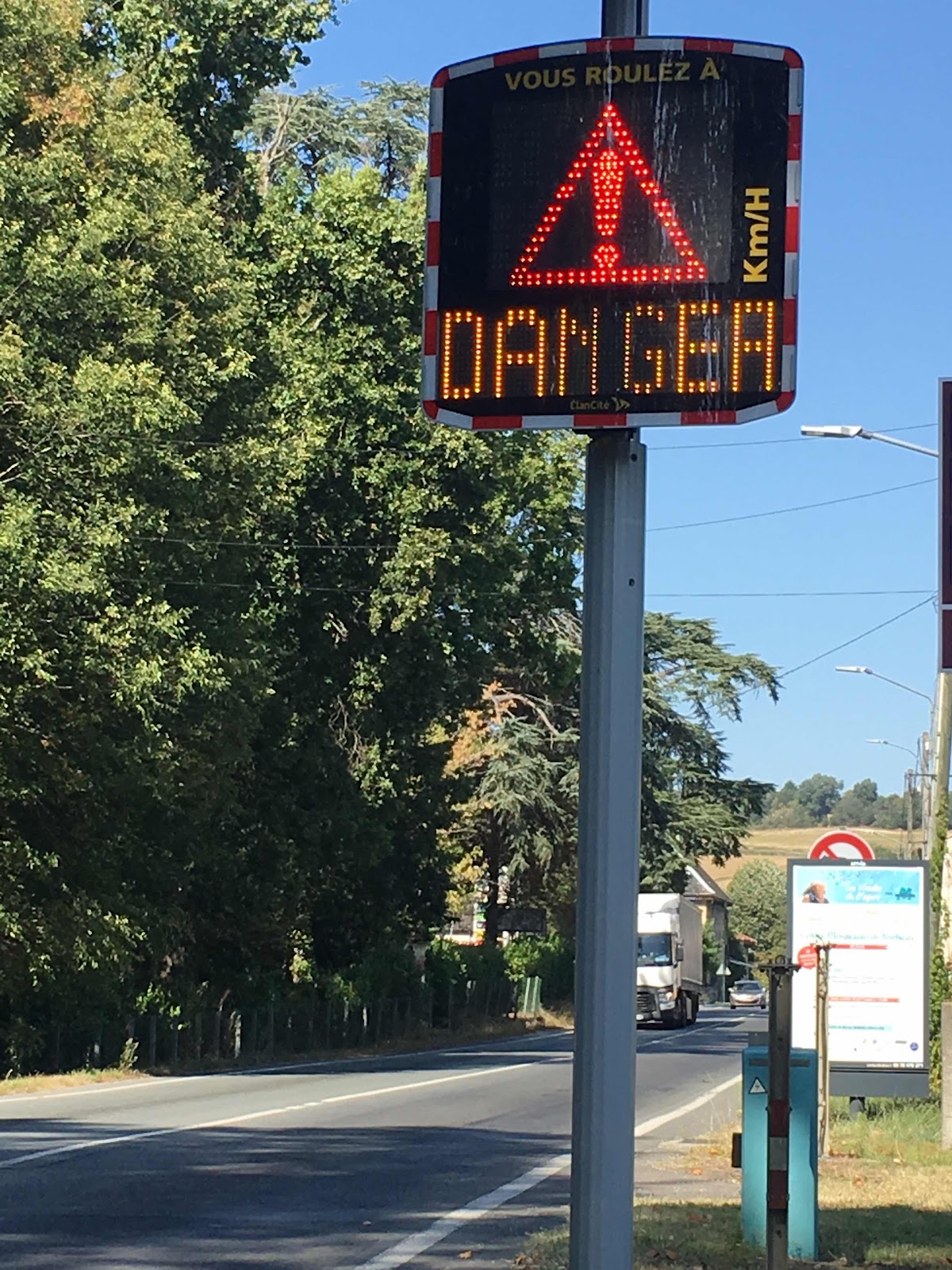
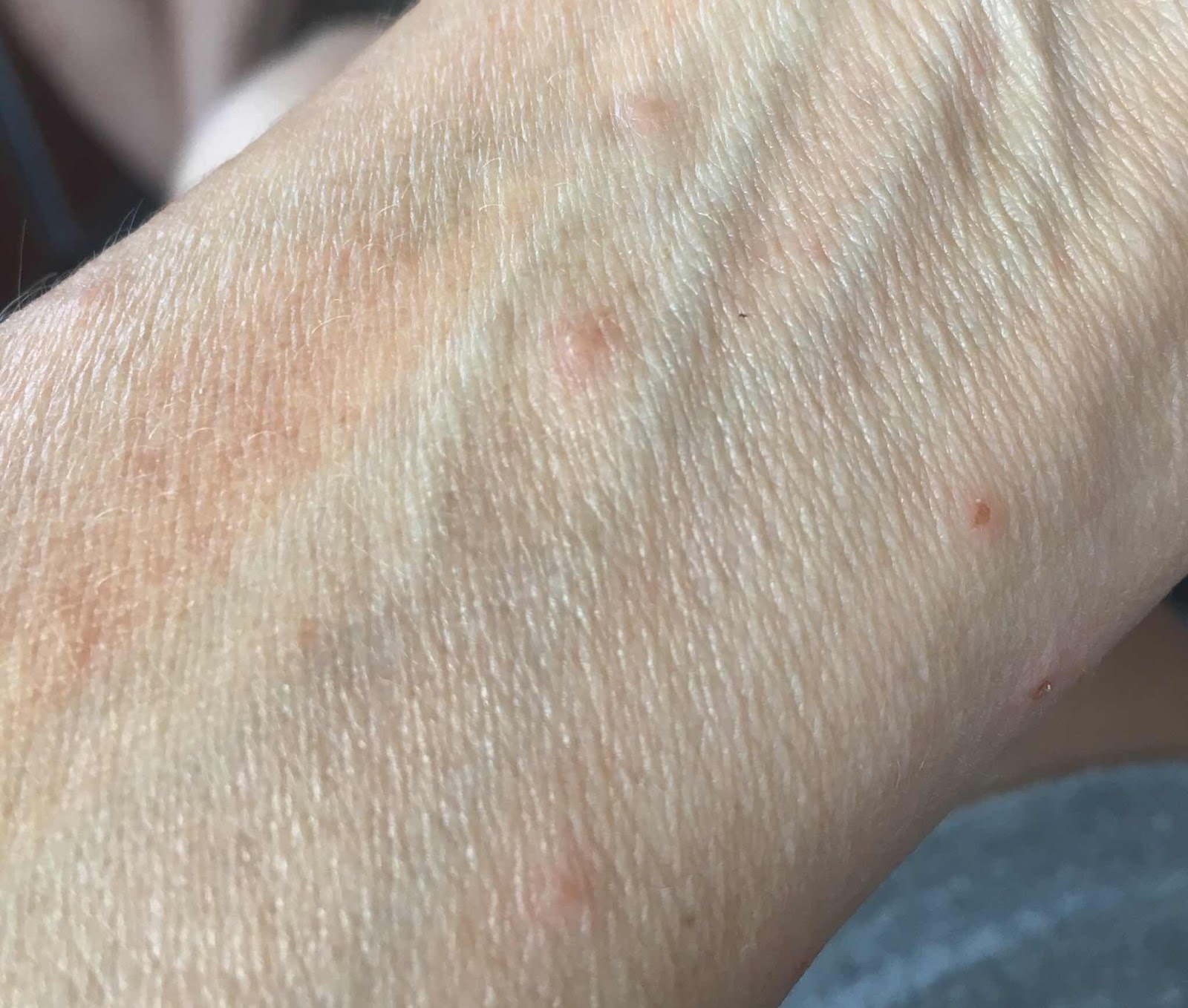
In Europe, on the other hand, people have been relatively safe and sound since the end of the Crusades and demise of the Inquisition. Yet even there, where I am currently minding my own business being an average tourist, those red and yellow warning signs seem to be popping up in my path. And I’m having a tiny problem with those darn southern France no-see-ums. Again. Just like in 2015! A mere 24 bites this time.

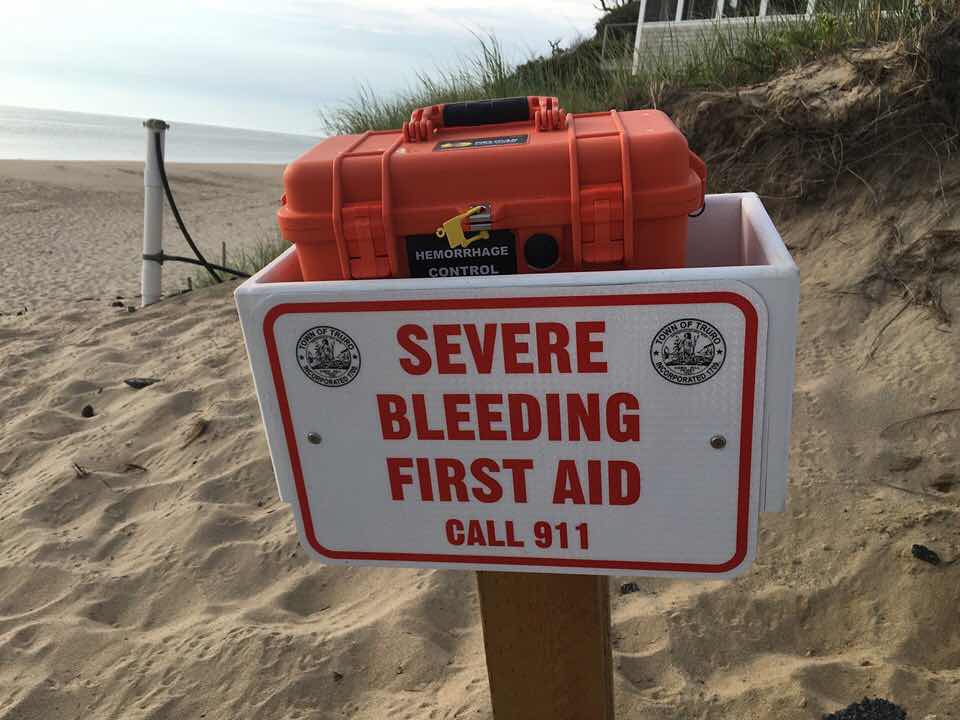
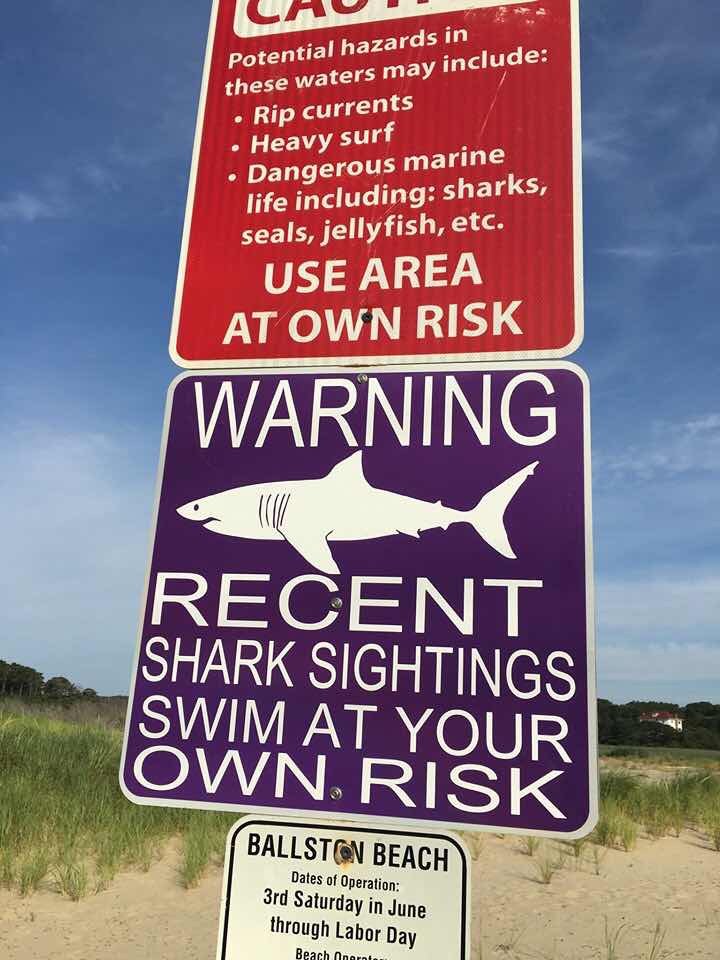
Back home in the US, also, it is wildlife that sets me on edge. Sharp-teethed alligators in Georgia and Florida. The occasional grizzly in Montana and Alaska. Sharks on the Cape Cod beaches. And in Utah and West Virginia, it’s human wildlife—gun-toting wahoos in pickups threatening my campsites and my life. 
I won’t even bother to describe the nautical hazards Pope and I have endured on sailboats. If you’ve been reading my blog, you already know. It can be exhausting.
Maybe it’s just my nature—or my karma—to encounter danger, whether at home or abroad. Maybe I should just *sigh*, accept, and endure.

When I get old and check into a nursing home, being pushed around in a wheelchair, I hope that I will finally--finally!--feel safe and secure. 

But with my luck, there will probably be bedbugs, head-pecking pigeons, and potholes on the path to the dining hall.